Used & surplus equipment / South Dakota
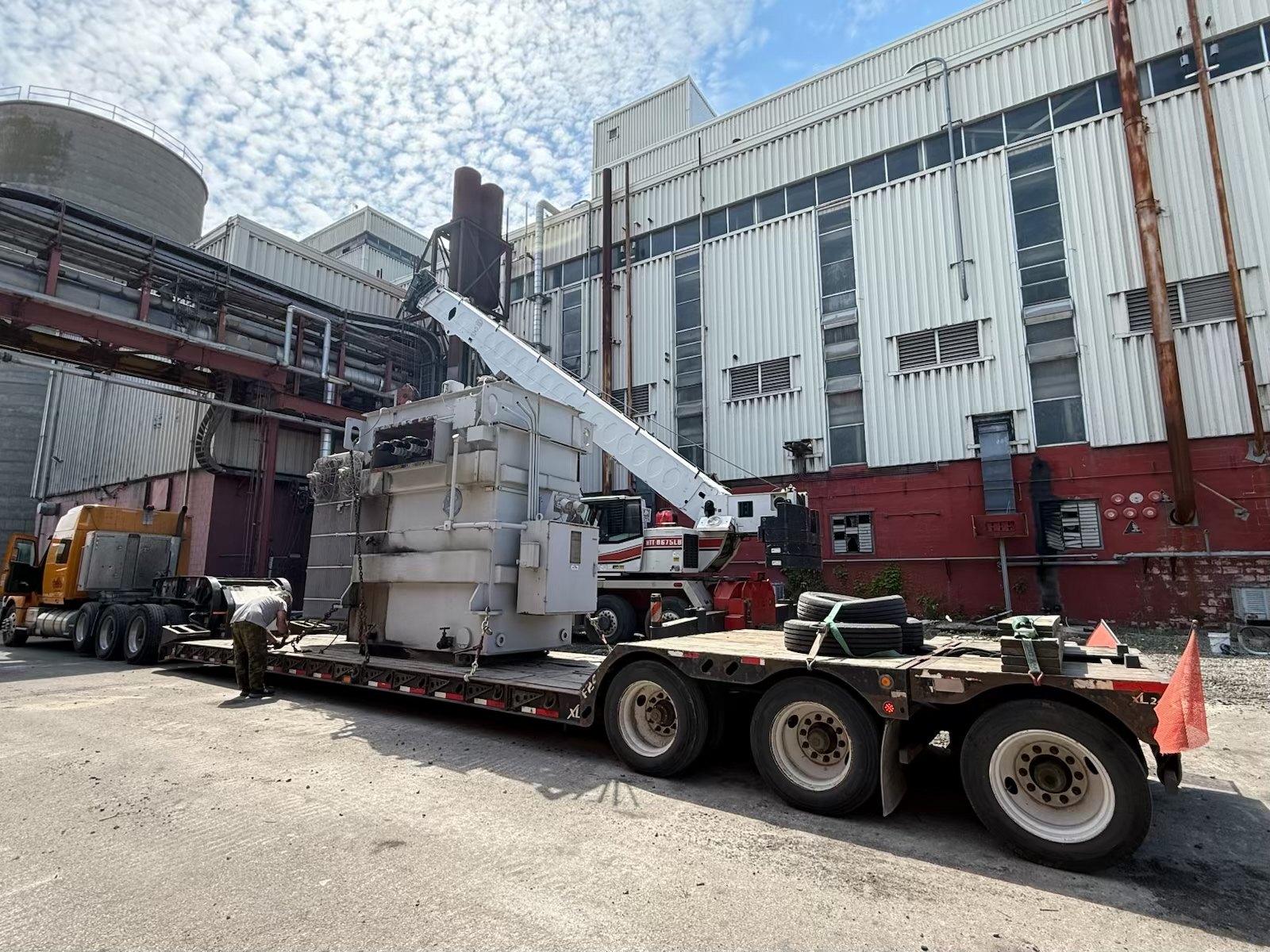
Sell Isolation transformers in Lead, South Dakota
If you have a surplus isolation transformer in Lead, South Dakota, a useful first step is to identify what makes it an isolation unit rather than assuming from its…
Text Nameplate Photos ↗A straightforward process
If you have a surplus isolation transformer in Lead, South Dakota, a useful first step is to identify what makes it an isolation unit rather than assuming from its nameplate alone. Separate primary and secondary windings distinguish an isolation transformer from an autotransformer, which uses a shared winding. That difference, along with voltage ratings and operating history, helps an independent buyer assess the equipment. You can request a quote without arranging testing first.
Confirm the transformer’s design and ratings
Start with the nameplate or existing equipment records. Note primary and secondary rated voltage, kVA, frequency, phase, and any stated impedance. For a multi-tap unit, record the available connection information; do not infer a usable voltage from a partial label or from the connected load.
Check whether documentation identifies separate windings and whether a shield is specified between them. A shield may be relevant to the unit’s intended application, but it should not be assumed from the enclosure or a product description. Clear identification helps distinguish this equipment from an autotransformer.
- Record legible nameplate details and model information.
- Describe a specified shield only when records or labeling support it.
Describe service history and visible condition
Load history can help explain the transformer’s present state: whether it served a steady load, intermittent equipment, or a project that has ended. If known, share operating dates, prior storage, repairs, unusual events, and why the unit became surplus. Do not present estimates as verified operating data.
For example, a seller clearing equipment from a project may have fluid records to review alongside component-condition information. That is a hypothetical situation, not a claim about a local installation. Existing fluid or PCB records can matter; if fluid status is unknown, it must be addressed under applicable rules.
- Gather records already on hand; no testing is needed to ask for a quote.
- Flag missing or uncertain fluid information rather than guessing.
Prepare a practical quote inquiry
Send the buyer the transformer’s ratings, winding details, general condition, location in Lead, and any available photographs or records. Explain whether the unit is accessible and what remains part of the project. The buyer’s purchase decision, price, and responsibilities depend on review; confirm the scope directly rather than assuming removal or site work is included.
Payments are made upfront, and freight is covered. Those terms do not establish who disconnects, handles, or loads the transformer, so clarify responsibilities before making plans. Plan for the isolation transformer to be disconnected or handled for transport only after qualified personnel with site authorization have established and verified an electrically safe condition under the site’s applicable procedures.
- Call 614-715-3047 or email saleselectricalbuyers@gmail.com to start a quote.
Keep exploring
Related resources.
Find more information for selling electrical equipment in South Dakota.
Start a conversation
Ready to sell your transformer?
Tell us what you have. A nameplate photo and a few equipment details are a great place to start.