Used & surplus equipment / South Dakota
Sell Cast-resin transformers in Mitchell, South Dakota
If you own a surplus cast-resin transformer in Mitchell, a useful first step is to describe the unit as it stands rather than assume its age or appearance determines…
Text Nameplate Photos ↗A straightforward process
If you own a surplus cast-resin transformer in Mitchell, a useful first step is to describe the unit as it stands rather than assume its age or appearance determines its value. These dry-type transformers have windings encapsulated in resin, so the condition of the encapsulation, supporting structure, enclosure and cooling equipment helps distinguish one offering from another. You can request a quote without testing the unit; useful records and clear photographs can help explain what is available.
Describe the cast-resin unit, not just its nameplate
Start with the manufacturer, model, kVA rating, primary and secondary voltages, phase, frequency and nameplate impedance if shown. Note whether the transformer is complete and whether it is a standalone unit or part of a larger assembly. These details help avoid confusion between similarly sized units with different electrical duties.
Cast-resin windings are encapsulated, but visible condition still matters. From a safe vantage point, describe apparent cracks, chips, discoloration, dust buildup or signs of impact without touching the equipment or opening covers. State what you can observe, and distinguish observations from assumptions about internal condition.
- Record nameplate information where it is safely visible.
- List known repairs, storage conditions or missing parts.
Account for enclosure and cooling accessories
Describe the enclosure type and condition, including whether doors, panels, louvers and ventilation paths appear intact. Identify included temperature monitors, fans, control devices or other cooling accessories, and say whether their presence or operating status is known. Avoid presenting an accessory as functional unless you have reliable documentation.
A seller comparing potential equipment value with the effort of moving it should inventory the complete offering. Identify separate accessories, loose components and any equipment excluded from the sale. Existing drawings, manuals and maintenance records can clarify configuration; they are useful context, not a substitute for a clear description of the actual unit.
- Separate included items from excluded items in your inventory.
- Share available nameplate photos, drawings or service records.
Set expectations for access, freight and next steps
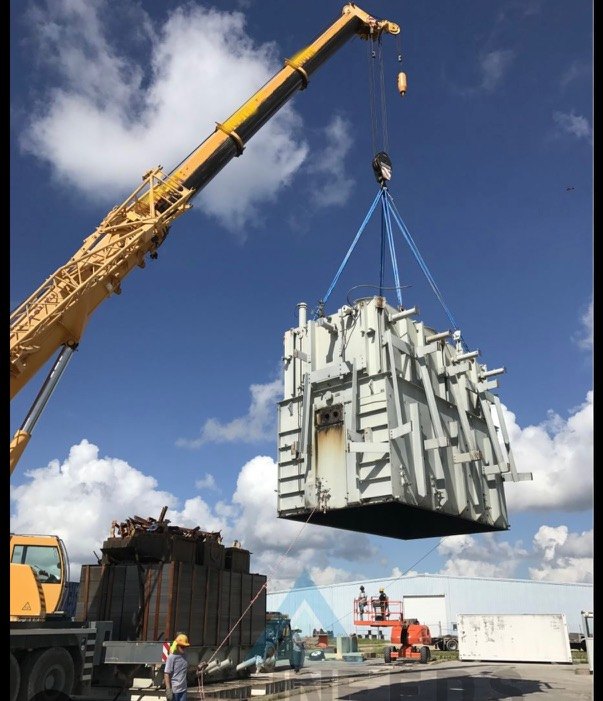
Before discussing removal, gather practical site details: approximate overall dimensions and weight if documented, the unit’s current location, access through doors or aisles, and the available route to a loading point. Mention overhead restrictions, tight turns or other clearance concerns. Freight is covered by the buyer, but that statement does not define who disconnects, rigs or loads the transformer.
Electrical disconnection or movement must wait until qualified, authorized personnel establish and verify a safe electrical condition under applicable procedures. Confirm responsibility for disconnection, rigging, loading and access before proceeding; no particular service is implied. No testing is needed to ask for a quote, and payment is upfront if a purchase is agreed. Contact the buyer at 614-715-3047 or saleselectricalbuyers@gmail.com.
- Clarify access and loading responsibilities before arranging a sale.
Keep exploring
Related resources.
Find more information for selling electrical equipment in South Dakota.
Start a conversation
Ready to sell your transformer?
Tell us what you have. A nameplate photo and a few equipment details are a great place to start.