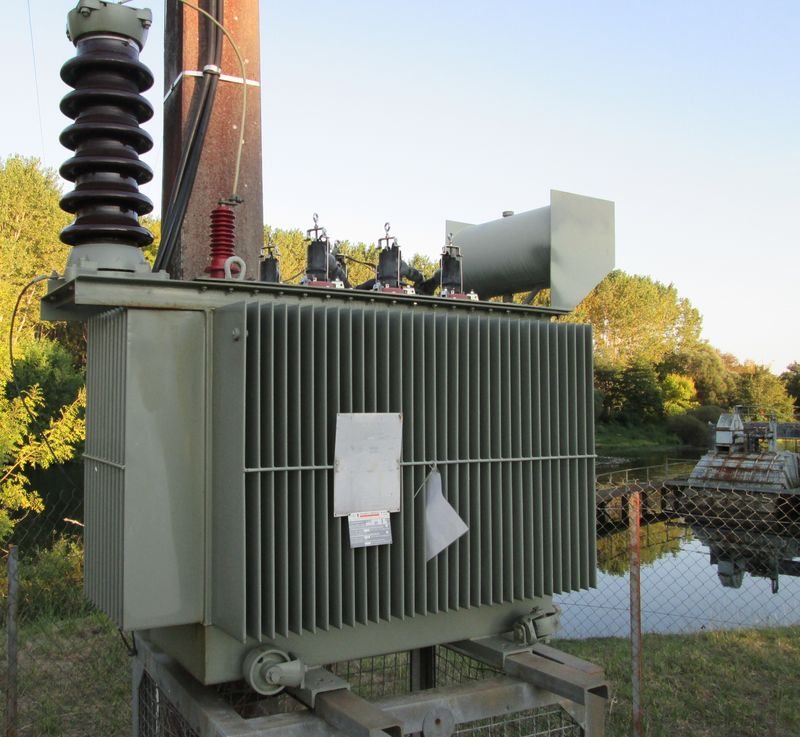
Used & surplus equipment / South Dakota
Sell Isolation transformers in Pierre, South Dakota
Owners in Pierre, South Dakota, considering a surplus or used isolation transformer can request a purchase quote from an independent buyer serving the state.
Text Nameplate Photos ↗
A straightforward process
Owners in Pierre, South Dakota, considering a surplus or used isolation transformer can request a purchase quote from an independent buyer serving the state. Start by identifying the unit as a separate-winding isolation transformer rather than an autotransformer; the distinction affects what equipment you are describing. A test is not needed to ask for a quote. Clear nameplate information, known operating history and a practical account of site access can help frame the conversation.
Confirm the transformer’s design and ratings
An isolation transformer has separate primary and secondary windings. An autotransformer uses a winding shared between input and output, so it is a different design. If the equipment record or nameplate calls the unit an autotransformer, do not describe it as an isolation transformer simply because it serves a similar electrical purpose.
For a quote, note the manufacturer and model if legible, kVA rating, primary and secondary voltages, frequency, phase and any stated impedance. Mention a shield only when the nameplate, drawings or other records specify one. Avoid guessing winding material or shield construction from appearance.
- Record readable nameplate details without opening equipment.
- Include available drawings or equipment schedules.
Describe condition and operating history
A concise history can help distinguish a long-stored spare from a unit recently removed from service. Share what is known about its last application, approximate service status and any documented repair or abnormal event. If details are uncertain, say so rather than presenting an estimate as a confirmed fact.
Loading history is useful context, not a substitute for the nameplate rating. Note whether the unit routinely served a steady load, experienced changing demand or was held as standby, if that information is available. No testing is required to begin a quote discussion, and no condition or purchase outcome is guaranteed.
- Separate documented facts from recollection.
- Mention known repairs or changes in service.
Consider access before discussing pickup
For example, a seller might have a transformer that fits the equipment record but sits behind a narrow doorway or along a route with limited turning space. Dimensions, approximate weight if documented, floor or outdoor location, and the route from the unit to a loading point help identify practical questions before arrangements are discussed.
Freight is covered by the buyer, but that does not establish who will disconnect, rig, load or otherwise handle the unit. Qualified authorized personnel must establish and verify a safe electrical condition before electrical equipment is disconnected or moved. Confirm scope and responsibilities with the buyer.
- Share route constraints and available access information.
- Keep electrical work with qualified authorized personnel.
Keep exploring
Related resources.
Find more information for selling electrical equipment in South Dakota.
Start a conversation
Ready to sell your transformer?
Tell us what you have. A nameplate photo and a few equipment details are a great place to start.