Used & surplus equipment / South Dakota
Sell Dry-type transformers in Platte, South Dakota
Selling a dry-type transformer near Platte takes more than identifying its voltage.
Text Nameplate Photos ↗A straightforward process
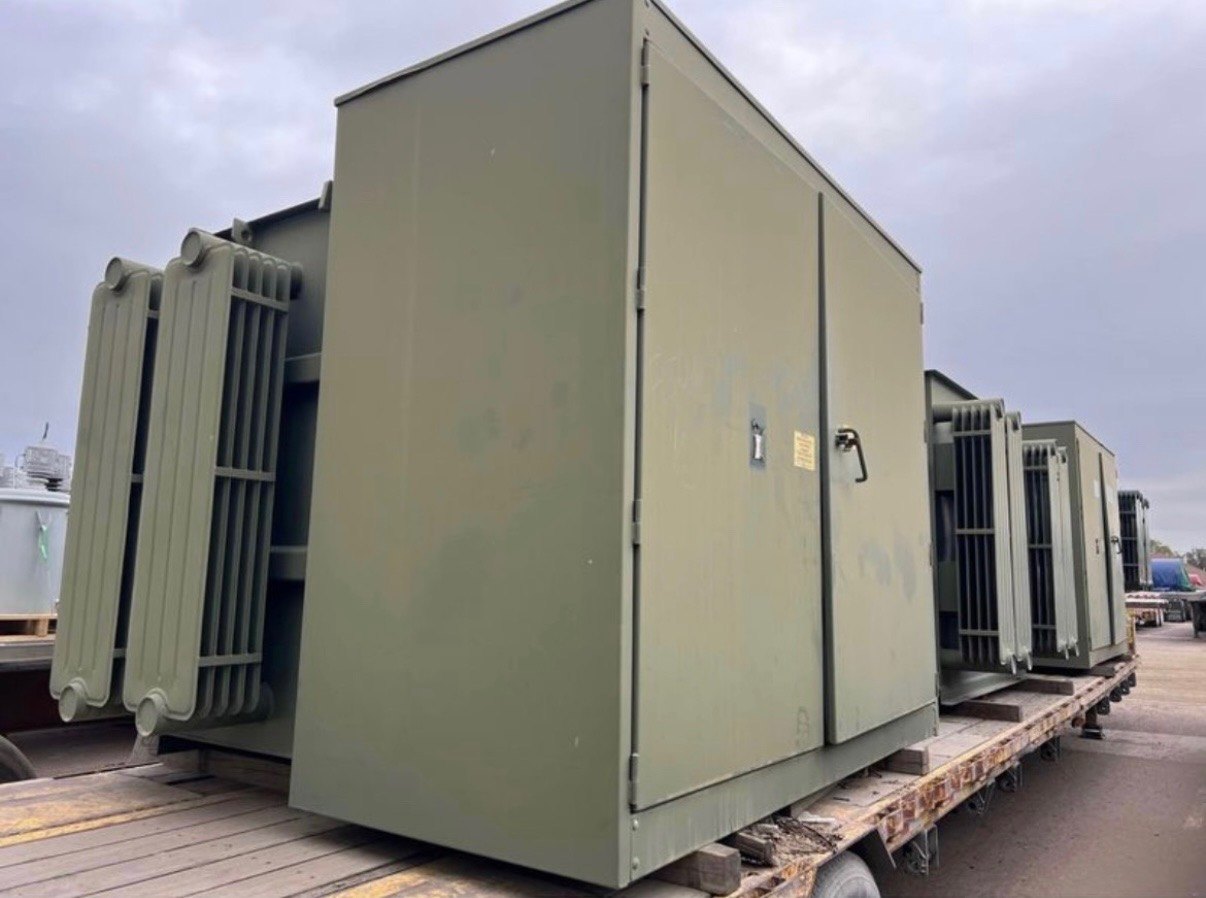
Selling a dry-type transformer near Platte takes more than identifying its voltage. Enclosure style, insulation condition, dimensions, and the route from its installed position can all shape a practical review. A ventilated unit needs airflow in service, but its openings also make visible condition worth describing carefully. Start with the nameplate and existing records; you do not need to arrange testing to ask for a quote. Accurate access details help set realistic expectations before anyone discusses a sale.
Capture ratings and enclosure details
Record the kVA rating, primary and secondary voltage, phase, frequency, and model information shown on the nameplate. Note whether the enclosure is ventilated and whether louvers or screens appear bent, blocked, or missing. Do not assume the transformer’s winding metal; provide a specification only if documentation supports it.
Dimensions matter alongside electrical ratings. Measure or use documented measurements for height, width, and depth, and note whether the unit is mounted on a floor, platform, or other support. If the nameplate is unreadable, send clear exterior photos and list the details you can confirm.
- Include nameplate and enclosure photos.
- Report known dimensions rather than estimating where possible.
Explain condition without opening the unit
Describe visible signs such as cracked or discolored insulation, dust buildup, corrosion, impact damage, or evidence of excessive heat. Mention known service interruptions and the last time the transformer was in use, if documented. These observations help a buyer understand condition without presenting an unverified operating guarantee.
Ventilated construction is not proof that insulation is sound or that the unit will suit another installation. Avoid opening compartments or touching exposed equipment to gather details. Existing inspection or maintenance records can supply useful context; a test is not necessary just to request a quote.
- Share existing condition records if available.
- Distinguish observed issues from suspected ones.
Make removal access part of the quote discussion
A seller’s route from the transformer to an exit can affect planning as much as the unit’s weight. Note door and corridor clearances, turns, stairs, overhead restrictions, and whether the equipment is positioned near other obstacles. A hypothetical unit that fits through a doorway may still be difficult to maneuver around a tight turn.
Before the transformer is disconnected or moved, qualified authorized personnel must verify a safe electrical condition under applicable procedures. Freight is covered, while disconnection, rigging, loading, and site work require separate confirmation.
- Clarify who is responsible for each removal step.
- Share access constraints before scheduling work.
Keep exploring
Related resources.
Find more information for selling electrical equipment in South Dakota.
Start a conversation
Ready to sell your transformer?
Tell us what you have. A nameplate photo and a few equipment details are a great place to start.