Used & surplus equipment / South Dakota
Sell Voltage regulators in Watertown, South Dakota
If you have a surplus voltage regulator in Watertown, its control package and tap-changing mechanism can be as important to a buyer’s review as its nameplate rating.
Text Nameplate Photos ↗A straightforward process
If you have a surplus voltage regulator in Watertown, its control package and tap-changing mechanism can be as important to a buyer’s review as its nameplate rating. Start with what you can identify without handling the equipment: manufacturer and model, voltage and current ratings, phase, serial number, and whether the unit is complete. No testing is needed to ask for a quote; describe the unit accurately and note what remains uncertain.
Describe the regulator, not just its voltage
A voltage regulator is distinct from a transformer, even where equipment is installed together. Identify whether yours is a standalone regulator or part of an associated arrangement, then record its rating and the tap-changing mechanism if known. Include control type and any readable nameplate details; avoid guessing where markings are missing.
Controls, bypass equipment, cabinets, and other accessories can affect how the inventory is assessed. List what is included, what is separate, and whether components appear absent or damaged. If oil-filled construction applies, share existing fluid or PCB records. Unknown fluid status should be reported as unknown, not presumed.
- Note ratings, phase, make, model, and serial number.
- Describe the tap mechanism and included controls or accessories.
- Separate confirmed details from unknowns.
Make dimensions and access part of the quote
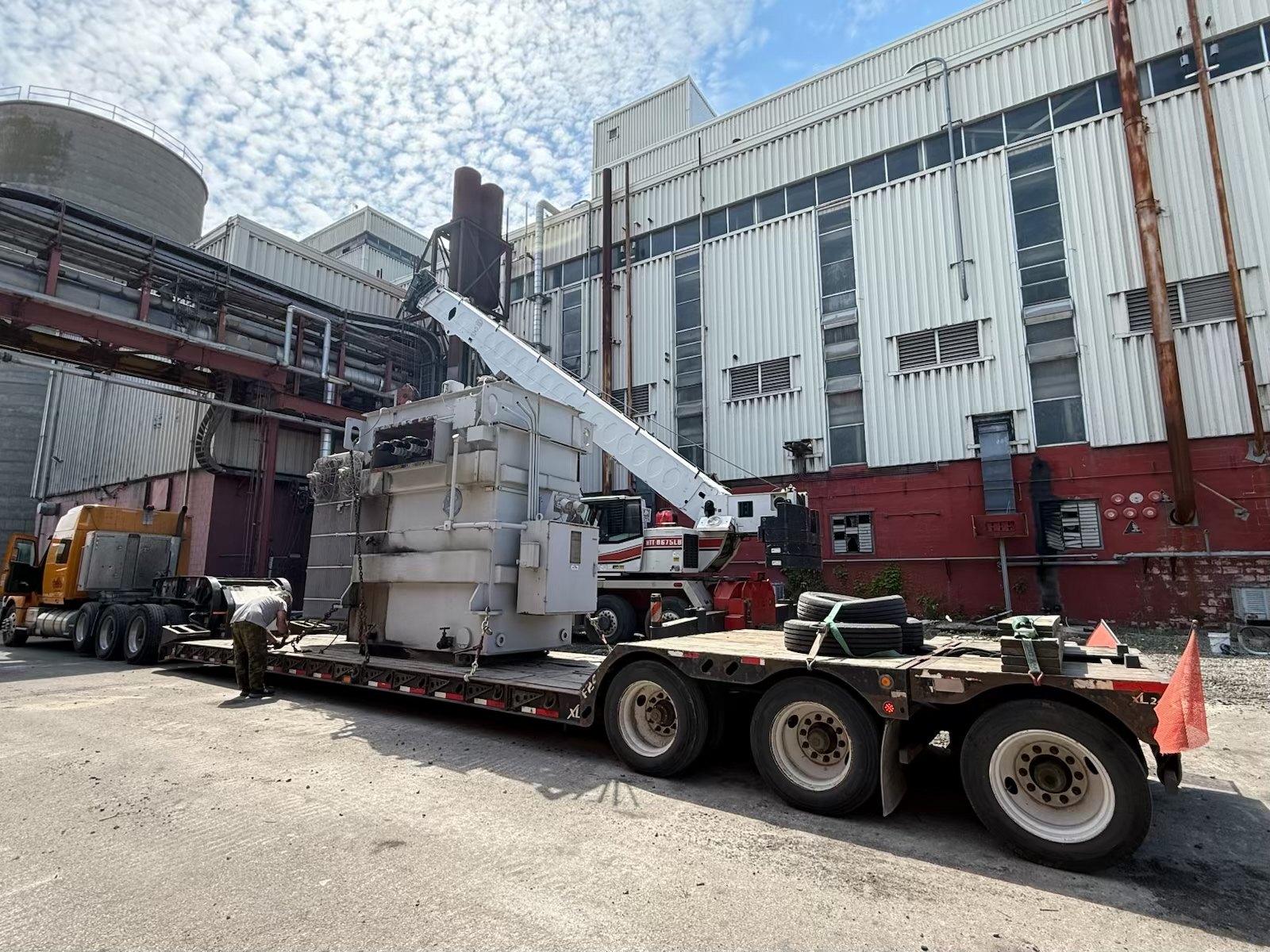
A regulator’s physical size can influence practical handling and freight planning. If available, provide approximate dimensions and weight from records or a nameplate; do not estimate by moving or opening equipment. Mention whether the unit is indoors or outdoors and describe the route from its current position to the loading point.
For example, a seller might have a regulator inside a building with a narrow exit, or outdoors where the route to a vehicle has limited clearance. Those hypothetical conditions are worth flagging early. Freight is covered, but loading, rigging, disconnection, and other site work are not implied; confirm responsibilities and scope before proceeding.
- Share known dimensions, weight, and current location on site.
- Describe doorways, turns, overhead limits, or other access constraints.
- Clarify who handles site work and loading.
Request a quote with records and clear boundaries
Gather available nameplate photos taken from a safe position, inventory lists, control diagrams, and service or fluid records, if applicable. Testing is not required to request a quote. A buyer may need additional information to evaluate the specific unit, and a quote or sale is not guaranteed until details and scope are reviewed.
For any plan to have the voltage regulator released for disconnection or movement, the site’s qualified, authorized electrical personnel must first establish and verify an electrically safe condition according to the applicable procedures. Do not attempt to disconnect or open the regulator yourself. Payments are upfront, and all freight is covered.
- Send existing records; do not perform tests for an initial quote.
- Confirm sale scope and site responsibilities before arranging movement.
Keep exploring
Related resources.
Find more information for selling electrical equipment in South Dakota.
Start a conversation
Ready to sell your transformer?
Tell us what you have. A nameplate photo and a few equipment details are a great place to start.