Used & surplus equipment / South Dakota
Sell Data Center Transformers in Rapid City, South Dakota
A hypothetical data center decommissioning in the Rapid City area may involve several transformer groups serving different loads, from utility service and backup power…
Text Nameplate Photos ↗A straightforward process
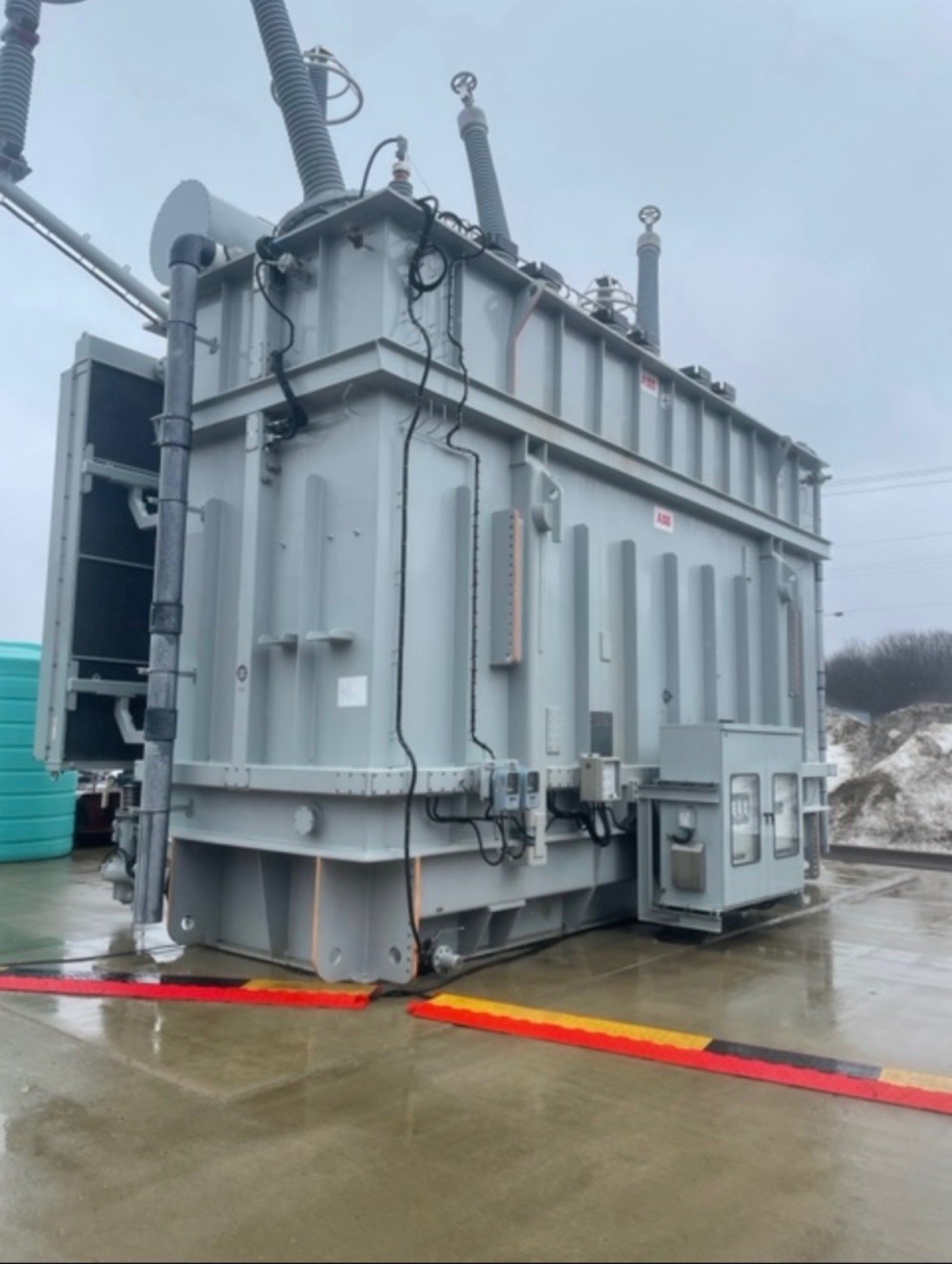
A hypothetical data center decommissioning in the Rapid City area may involve several transformer groups serving different loads, from utility service and backup power to downstream distribution. If you own surplus units, an independent buyer serving South Dakota may consider them for purchase. The buyer purchases equipment only; the facility owner and its project team remain responsible for decommissioning decisions and work. A clear equipment schedule can help you distinguish what is available now from assets still needed for critical-load continuity.
Map equipment to the electrical transition
Before identifying sale candidates, relate each transformer to the one-line diagram, served equipment and planned load transfer. A unit that appears redundant on an inventory list may still support an active path, standby arrangement or temporary operating configuration during a phased shutdown.
Record nameplate details where available, including manufacturer, model, serial number, kVA or MVA rating, primary and secondary voltages, phase, and configuration. Note whether the unit is dry-type or fluid-filled. Keep transformers distinct from switchgear and voltage regulators when preparing the schedule.
- Separate confirmed surplus from equipment retained for continuity.
- Use existing asset records and nameplate information; testing is not needed to request a quote.
Plan inventory around staged release
Data center assets may become available in waves rather than all at once. A seller can group units by building area, electrical room, release date or project phase, then identify which lots are genuinely under the owner's control for sale. This helps avoid treating a future release as immediately available inventory.
For each proposed lot, note quantity, present condition, known operating or storage history, and access constraints. Existing fluid or PCB records may be relevant for fluid-filled equipment. If fluid status is unknown, determine how it must be handled under applicable rules before decisions about movement or disposition.
- Label each lot by release stage and current availability.
- Gather records already on hand; do not infer fluid contents from appearance.
Set clear boundaries for a purchase inquiry
A transformer purchase inquiry is separate from the broader decommissioning plan. The buyer does not thereby agree to transfer critical loads, disconnect equipment, manage contractors, remove infrastructure or remediate a site. Confirm the proposed scope and each party's responsibilities before making sale arrangements.
For any plan to have the transformer slated for retirement disconnected or shifted for loading, an authorized, qualified electrical party must first establish and verify an electrically safe condition using applicable electrical-safety procedures. Freight is covered by the buyer as stated, but that does not establish who will rig, disconnect, load or perform other site work. Request a quote with the inventory and release details.
- Ask about price and scope for the specific units offered.
- Call 614-715-3047 or email saleselectricalbuyers@gmail.com.
Keep exploring
Related resources.
Find more information for selling electrical equipment in South Dakota.
Start a conversation
Ready to sell your transformer?
Tell us what you have. A nameplate photo and a few equipment details are a great place to start.