Used & surplus equipment / South Dakota
Sell Pad-mounted transformers in South Dakota
If you own a surplus pad-mounted transformer in South Dakota, the useful first step is identifying the unit clearly—not opening its compartments or arranging a move.
Text Nameplate Photos ↗A straightforward process
If you own a surplus pad-mounted transformer in South Dakota, the useful first step is identifying the unit clearly—not opening its compartments or arranging a move. Share its nameplate information, visible enclosure condition, access constraints and whether it is liquid-filled, if known. The buyer considers all voltage classes and says no testing is needed to ask for a quote; that does not determine whether a particular unit can be purchased.
Start with ratings and the unit’s identity
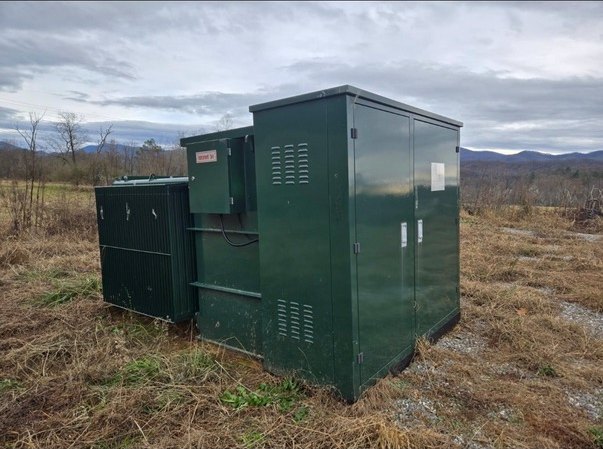
Pad-mounted describes an enclosed, ground-mounted form, not one standard electrical rating. A clear nameplate photo, taken only from a safe location, can help establish manufacturer, model, serial number, kVA, frequency and primary and secondary voltage. Record the ratings as printed rather than converting them or relying on the connected equipment’s voltage. Primary and secondary values matter because they describe different sides of the transformer; a mismatch or unreadable plate should be reported as uncertain.
Include what you know about phase, winding configuration and year, but do not infer conductor material from brand or appearance. If the plate is missing, provide any existing asset records or drawings and label estimates as estimates. To discuss a unit in South Dakota, contact the buyer at 614-715-3047 or saleselectricalbuyers@gmail.com with the available details.
- Send the full nameplate when safely visible; note illegible fields.
- Keep separate the primary rating, secondary rating and kVA.
Describe enclosure condition and compartment access
Report what can be observed externally: dents, corrosion, damaged doors or hinges, missing hardware, impact marks, leaks, or signs that the enclosure has been repaired. Distinguish visible damage from a suspected internal problem. A cabinet that looks intact does not establish electrical condition, and a damaged enclosure does not by itself establish what is inside. Photos can support a review, but do not open doors, reach into compartments or approach exposed electrical parts to obtain them.
Explain whether the unit is in place, what access restrictions affect a later inspection or removal, and whether records identify required site coordination. A qualified, authorized electrical party must establish isolation, lockout and verification before anyone approaches or moves the equipment. Confirm the scope, access and responsibilities with the buyer; freight is covered as stated, but that is not a promise of disconnection, rigging, loading or site work.
- Describe access limits and visible damage without disturbing the unit.
- Confirm who is responsible for isolation and site coordination.
Clarify liquid status before discussing handoff
State whether the transformer is known to be liquid-filled, dry-type, or of unknown type. For a liquid-filled unit, existing fluid records and PCB documentation can matter; share what is already available, including uncertainty or conflicting records. Do not drain fluid, take an oil sample or assume PCB status from age, appearance or manufacturer. Unknown fluid status should be handled in accordance with applicable rules, and any further requirements must be confirmed for the specific unit and transaction.
A review may lead to an offer for reuse or for salvage, but neither outcome is guaranteed. The buyer states that it covers all freight and offers payment upfront; confirm transaction terms, transport scope and handoff responsibilities before committing. No testing is needed to ask for a quote. Send the ratings, condition notes, access details and available fluid documentation so the buyer can assess what information is still needed.
- Share existing fluid and PCB records; identify unknown status plainly.
- Confirm purchase scope and transport responsibilities before handoff.
Keep exploring
Related resources.
Find more information for selling electrical equipment in South Dakota.
Start a conversation
Ready to sell your transformer?
Tell us what you have. A nameplate photo and a few equipment details are a great place to start.