Used & surplus equipment / South Dakota
Sell Dry-type transformers in Vermillion, South Dakota
Selling a dry-type transformer in the Vermillion area starts with identifying the actual unit, not just its enclosure.
Text Nameplate Photos ↗
A straightforward process
Selling a dry-type transformer in the Vermillion area starts with identifying the actual unit, not just its enclosure. Capacity, voltage ratings, winding details and visible condition help distinguish equipment that may look similar from one another. An independent buyer serving South Dakota considers all voltage classes, but each unit is reviewed individually. You can request a quote without arranging a test; clear records and photos can make the initial discussion more useful.
Describe the unit and its ventilated enclosure
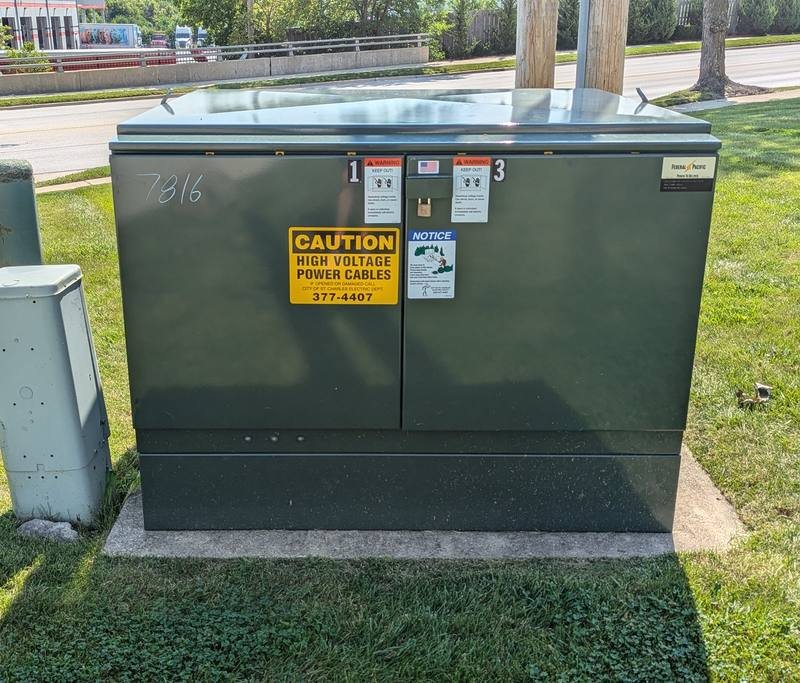
Dry-type designs rely on air around the windings rather than an insulating liquid. Note whether the enclosure is ventilated, the approximate dimensions and any visible damage, dust buildup, corrosion or signs of overheating. A photo of the full unit and its nameplate can help clarify the configuration.
Record the nameplate kVA and primary and secondary voltages as written, including frequency and phase where shown. These ratings are more useful than a rough description such as “building transformer,” and help a buyer assess whether the unit fits a potential resale or salvage path.
- Photograph the nameplate and exterior from safe, accessible viewpoints.
- List any known service history or condition concerns.
Account for insulation condition and included items
Dry insulation can show wear through cracked, discolored or damaged material, but a seller should not open the transformer to inspect internal components. Share existing inspection notes if available; no testing is required just to ask for a quote. The buyer may ask follow-up questions before deciding whether to make an offer.
In a hypothetical surplus sale, a seller might have controls, temperature-monitoring devices or other accessories associated with the main unit. Identify each item and say whether it is attached, separately stored or simply available. Do not assume accessories are included in an offer until scope is confirmed.
- Separate confirmed inclusions from items that are merely nearby.
- Share existing records rather than attempting an inspection yourself.
Plan around indoor access and the sale scope
An indoor unit’s route out can affect planning as much as its electrical rating. Describe the room, doorways, corridors, stairs or other known constraints, plus the unit’s approximate size and weight if documented. These details help establish what work and responsibilities need discussion before any removal is scheduled.
Do not arrange to have the dry-type transformer electrically disconnected or physically moved until qualified personnel with site authorization have established and verified an electrically safe condition following applicable site procedures. Freight is covered by the buyer, but that does not by itself settle disconnection, rigging, loading or other site work. Confirm scope and responsibilities directly.
- Share route constraints and available dimensions.
- Confirm removal and freight responsibilities before scheduling.
Keep exploring
Related resources.
Find more information for selling electrical equipment in South Dakota.
Start a conversation
Ready to sell your transformer?
Tell us what you have. A nameplate photo and a few equipment details are a great place to start.