Used & surplus equipment / South Dakota
Sell Step-up and step-down transformers in Vermillion, South Dakota
If you have a step-up or step-down transformer to sell in Vermillion, start with its intended service and nameplate information.
Text Nameplate Photos ↗A straightforward process
If you have a step-up or step-down transformer to sell in Vermillion, start with its intended service and nameplate information. These units are distinguished by the relationship between primary and secondary voltage, not simply by their physical size. A useful initial description can help establish whether your unit fits a potential purchase, even when its condition or installation history is not fully known.
Describe the voltage relationship and rating
Step-up and step-down describe how the transformer is intended to change voltage in service. Record the marked primary and secondary voltage values and identify which side was connected to the source, if that information is available. Do not infer direction from the unit’s location or appearance.
The kVA rating indicates rated apparent power and is a key detail for evaluating the equipment. Include the nameplate rating and any legible frequency or phase information. If the plate is missing or hard to read, report that plainly rather than estimating values from nearby equipment.
- Primary and secondary voltage, with source side identified if known
- Nameplate kVA and any readable phase or frequency
- Make, model, serial number, and photos of visible labels
Terminal arrangement and installation context
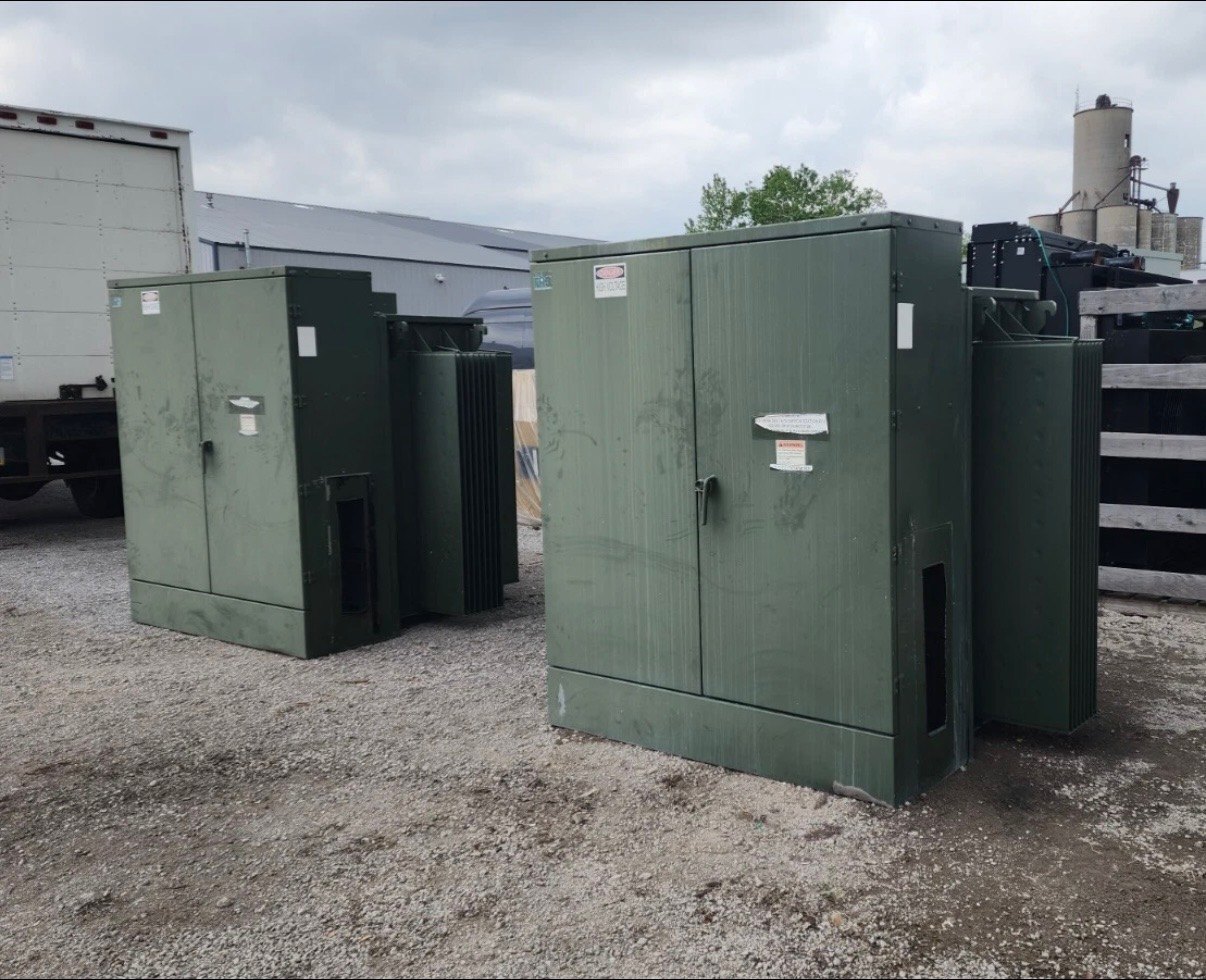
Terminal configuration helps distinguish units with similar voltage ratings. Note the number and labeling of terminals, available connection diagrams, and whether the transformer is single-phase or three-phase if documented. A clear exterior photo can help communicate layout without opening a compartment or approaching exposed electrical parts.
A hypothetical seller with a unit already disconnected may be able to provide its identification details and current condition directly. If the transformer remains part of operating equipment, it is not ready to be treated as available inventory until the owner’s authorized personnel establish a safe electrical condition and confirm the scope of any sale.
- Share a connection diagram if one is already on hand
- State whether the unit is installed or already disconnected
- Clarify what equipment, if any, is included with the transformer
Build a quote request around known facts
Be candid about visible damage, missing records, storage conditions, and unknown details; avoid presenting unverified assumptions as confirmed condition. Existing fluid or PCB records can matter for applicable equipment, and unknown fluid status must be addressed under applicable rules.
The independent buyer covers freight, and payment is upfront if a purchase is agreed. Freight coverage does not itself define disconnection, rigging, loading, or other site work, so confirm responsibilities and scope before proceeding.
- No testing is needed to begin a quote request
- Confirm sale scope and site responsibilities before arrangements
- A purchase and price depend on review of the unit
Keep exploring
Related resources.
Find more information for selling electrical equipment in South Dakota.
Start a conversation
Ready to sell your transformer?
Tell us what you have. A nameplate photo and a few equipment details are a great place to start.