Used & surplus equipment / South Dakota
Sell Surplus Transformers from Hospitals and healthcare facilities in South Dakota
Hospitals and healthcare facilities cannot treat transformer retirement as an ordinary equipment clear-out.
Text Nameplate Photos ↗A straightforward process
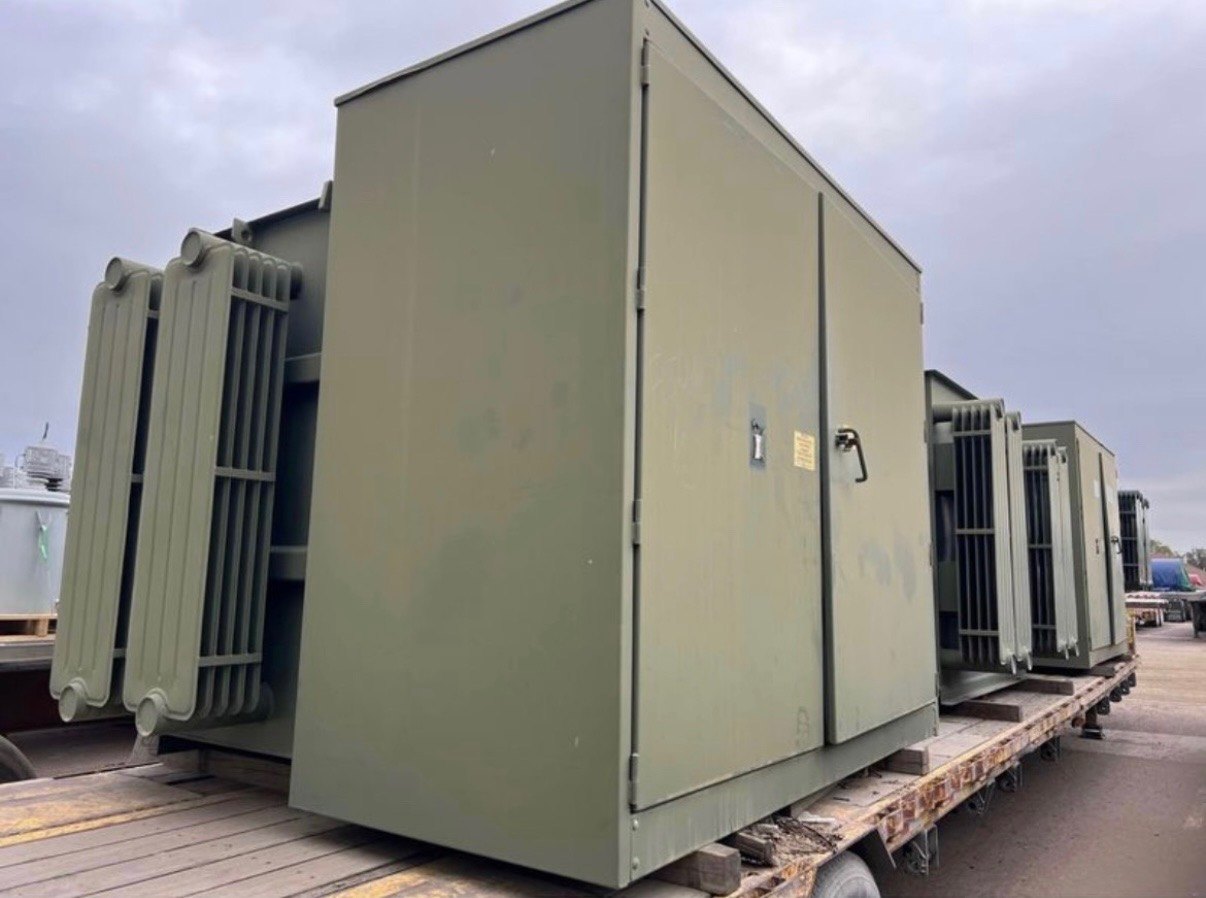
Hospitals and healthcare facilities cannot treat transformer retirement as an ordinary equipment clear-out. A unit may serve a building, clinical area, or essential electrical system, so its role must be understood before a surplus decision advances. The independent buyer serves South Dakota and buys transformers across all voltage classes. For sellers, the practical starting point is to identify the asset, coordinate the decision with facilities staff, and establish whether the unit can be made available without compromising care or electrical safety.
Confirm the transformer’s role before calling it surplus
Start with the electrical one-line, asset register, or other facility records to distinguish the transformer from adjacent switchgear and identify its voltage class and served loads. Note whether it is part of normal power, an alternate source path, or another arrangement; labels alone may not explain its operational importance.
Facilities and electrical staff should agree on what has changed: a replacement, renovation, reduced capacity need, or equipment held for contingency. If the transformer remains part of a resilience plan, it may not yet be available to sell. A clear internal status avoids presenting an operating asset as surplus.
- Gather nameplate details and available drawings.
- Record the building or system served, if known.
Coordinate any shutdown around care and safe access
A sale inquiry does not authorize disconnection. Hospital staff must plan any controlled shutdown or load transition through the facility’s established procedures, with qualified authorized personnel verifying a safe electrical condition before equipment is disconnected or moved. Align the work window with clinical operations, backup-power arrangements, and facility access controls.
Indoor locations add practical questions beyond the electrical schedule. Identify the route from the transformer room to an exit, including doors, corridors, thresholds, and restrictions on moving equipment through occupied areas. Confirm who controls access and clarify responsibilities for disconnection, rigging, loading, and other site work before proceeding.
- Do not assume freight coverage includes removal or rigging.
- Confirm the proposed access route with facilities staff.
Present records and request a quote
Share the manufacturer, model, voltage information, approximate age, condition as observed, and photographs or documentation available. Existing fluid or PCB records may matter for applicable handling decisions; if fluid status is unknown, it must be addressed under the rules that apply. Do not infer fluid status from appearance or age.
No testing is needed to ask for a quote. The buyer covers freight and makes payment upfront, subject to confirming the transaction and its scope. Neither a purchase nor a particular price is guaranteed. Call 614-715-3047 or email saleselectricalbuyers@gmail.com to discuss the asset and next steps.
- Separate confirmed facts from estimates or missing records.
- Clarify responsibilities before scheduling any site activity.
Keep exploring
Related resources.
Find more information for selling electrical equipment in South Dakota.
Start a conversation
Ready to sell your transformer?
Tell us what you have. A nameplate photo and a few equipment details are a great place to start.