Used & surplus equipment / South Dakota
Sell Surplus Transformers from Electric utilities and cooperatives in South Dakota
Electric utilities and cooperatives may retire transformers during replacement cycles, substation changes, or shifts in service needs.
Text Nameplate Photos ↗
A straightforward process
Electric utilities and cooperatives may retire transformers during replacement cycles, substation changes, or shifts in service needs. If equipment is surplus, an independent buyer serving South Dakota can consider it for purchase. A useful first step is to identify what the unit is, who owns it, and what its records say. No testing is needed to ask for a quote; clear asset information helps frame the discussion without implying that every unit will be purchased.
Sort retired assets by service role and ratings
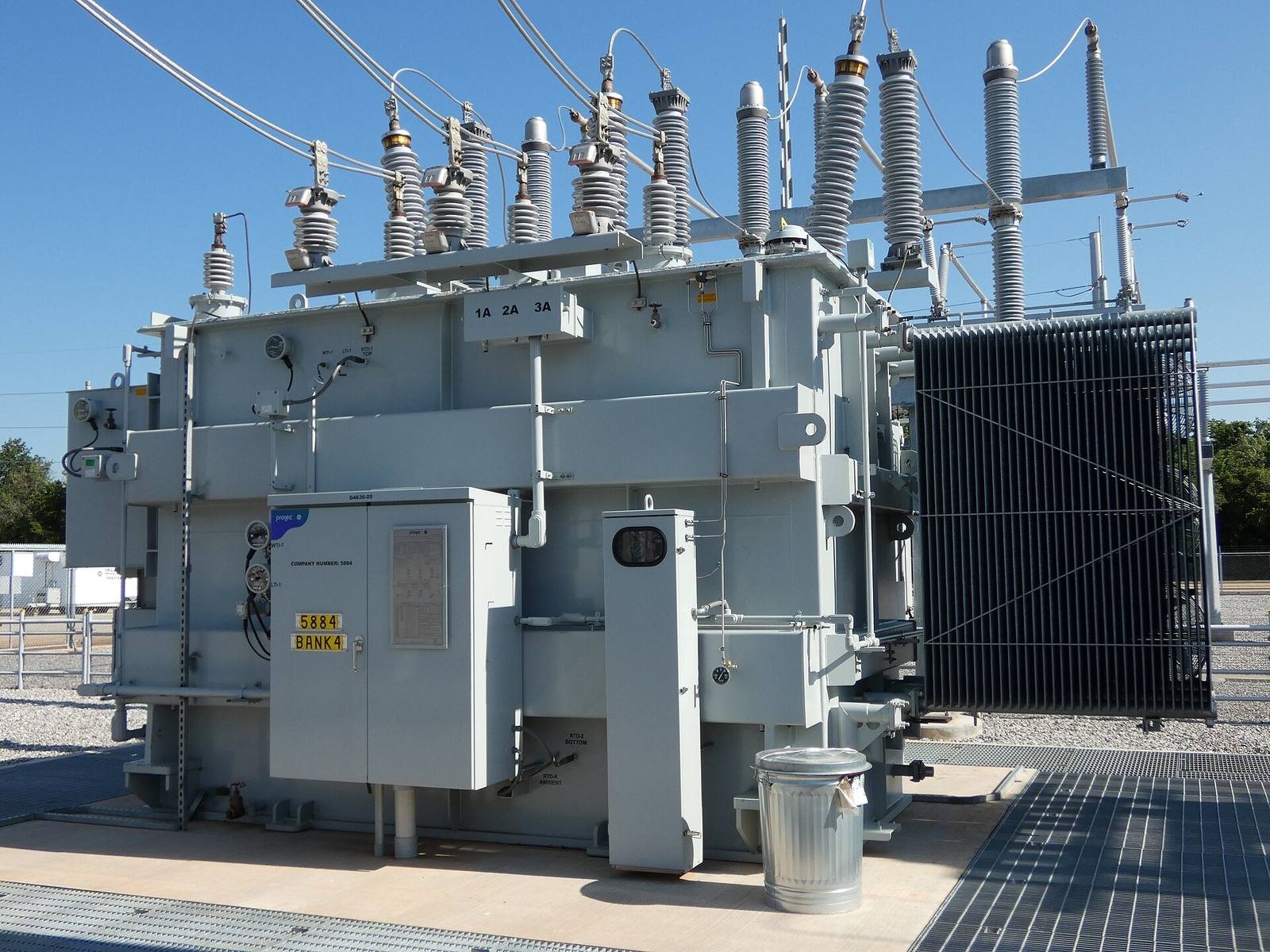
Distribution transformers and substation units differ in scale, configuration, and the records typically used to identify them. Separate inventory by equipment type and capture available nameplate details, such as voltage class, capacity, phase, and manufacturer. The buyer purchases all voltage classes, but a precise description still matters.
A retirement list may include intact units, equipment awaiting replacement, and assets held for a future decision. Keep these categories distinct. Condition notes should describe observed facts—such as known damage, missing components, or storage history—rather than assume a transformer is reusable or suitable for salvage.
- Record asset or serial numbers when available.
- Keep distribution and substation inventories clearly labeled.
Check ownership authority and asset documentation
Before seeking an offer, confirm that the utility or cooperative has authority to sell the listed equipment. A unit may be recorded under a separate operating entity, shared arrangement, lease, or project account. Resolve those distinctions internally so the person discussing a sale can accurately represent the seller’s interest.
Gather records that already exist: nameplate photographs, asset-register entries, maintenance history, and any available fluid or PCB documentation. Existing fluid records can inform a review. If fluid status is unknown, handle that uncertainty under applicable rules; do not assume a particular status based on age or appearance.
- Match records to each unit, not just a substation or work order.
- Note gaps rather than guessing at missing details.
Coordinate the quote and sale discussion
A concise inventory with photographs and known condition details gives the buyer a practical basis to review surplus equipment. Testing is not required to request a quote. If a unit’s service status or condition is uncertain, state what is known and what has not been verified instead of commissioning tests solely to begin the conversation.
For a sale inquiry, call 614-715-3047 or email saleselectricalbuyers@gmail.com. Confirm the transaction scope and responsibilities before proceeding; freight coverage should not be taken as a promise of disconnection, loading, rigging, or other site work.
- Plan for the facility’s transformer to be released for disconnection or movement only after qualified personnel with site authorization have established and verified an electrically safe condition under applicable procedures.
Keep exploring
Related resources.
Find more information for selling electrical equipment in South Dakota.
Start a conversation
Ready to sell your transformer?
Tell us what you have. A nameplate photo and a few equipment details are a great place to start.