Used & surplus equipment / South Dakota
Sell Surplus Transformers from Meatpacking and food processing facilities in South Dakota
Food plants often have electrical equipment tied to refrigeration, processing lines, packaging, wastewater systems and building services.
Text Nameplate Photos ↗A straightforward process
Food plants often have electrical equipment tied to refrigeration, processing lines, packaging, wastewater systems and building services. When a line changes, a room is remodeled or a facility reduces capacity, a transformer may become surplus even while other systems remain in service. A useful first step is to identify the unit, its ownership and the practical limits on access before planning any removal.
Match the transformer to the plant change
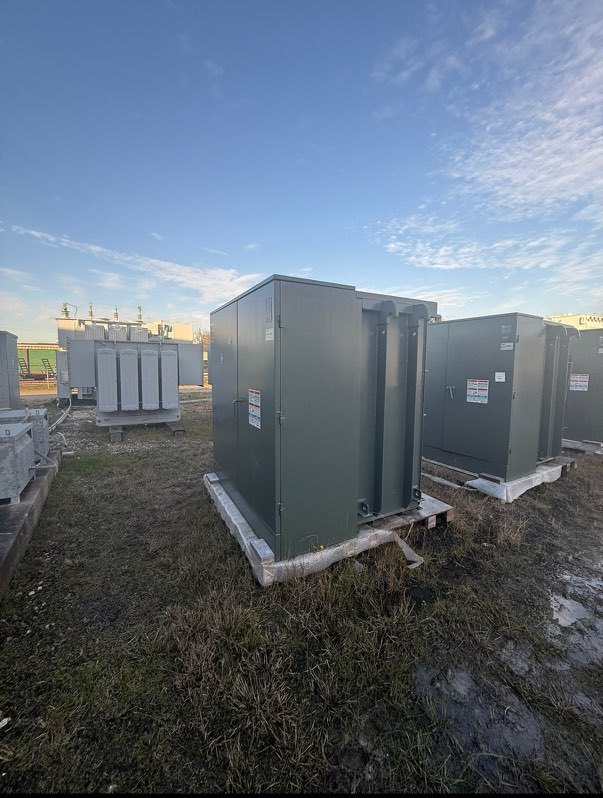
Start with the equipment’s location and the load it served. A transformer supplying refrigeration differs operationally from one serving packaging or a general distribution panel; its nameplate rating, voltage information and enclosure details help distinguish it. Identify whether it is a standalone unit or part of a larger electrical arrangement.
Confirm that the facility or seller has authority to offer the equipment. If the transformer supports a remaining production area, redundant service, or a future restart plan, mark that dependency before treating it as surplus. A clear inventory prevents confusion between equipment that is available and equipment that must stay energized or reserved.
- Record manufacturer, model, serial number and legible nameplate data.
- Note indoor or outdoor location and known service history.
- Separate available equipment from units retained for backup.
Plan around shutdowns and hygienic routes
In meatpacking and food processing spaces, removal planning has to fit production and sanitation practices. A route through washdown areas, controlled rooms or busy cold-storage corridors may be unavailable during normal operations. Map the likely path, door clearances, floor transitions and scheduling limits for the responsible site team to review.
A production shutdown window does not by itself establish that equipment is ready to move. Before electrical equipment is disconnected or relocated, qualified authorized personnel must establish and verify a safe electrical condition using applicable procedures. Confirm who handles that work and what access, sanitation controls and route protections fall within each party’s scope.
- Flag restricted rooms, washdown schedules and traffic conflicts.
- Confirm route and work boundaries before setting a removal date.
Share records and request a quote
Provide photos and available documentation with the equipment details, including any existing fluid or PCB records when relevant. If fluid status is unknown, it must be addressed under applicable rules; do not assume a classification from appearance or age. No testing is needed to ask for a quote, and a quote does not guarantee purchase.
The buyer covers freight, and payment is made upfront; confirm the transaction scope and responsibilities before proceeding. Freight coverage should not be read as a promise of disconnection, loading, rigging, sanitation work or other site services. For a quote, contact the buyer at 614-715-3047 or saleselectricalbuyers@gmail.com.
- Send clear nameplate and overall-condition photos.
- Describe access limits and the production window that matters.
Keep exploring
Related resources.
Find more information for selling electrical equipment in South Dakota.
Start a conversation
Ready to sell your transformer?
Tell us what you have. A nameplate photo and a few equipment details are a great place to start.