Used & surplus equipment / South Dakota
Copper and core salvage in transformer valuation: A Guide for South Dakota Sellers
A transformer’s value is not determined by a guess about its copper content.
Text Nameplate Photos ↗A straightforward process
A transformer’s value is not determined by a guess about its copper content. Winding material, core condition, completeness and the possibility of reuse all matter, as do the costs and responsibilities involved in removing the unit. For South Dakota owners considering a sale, the most useful first step is to describe what is actually documented and leave uncertain material claims open for evaluation. An independent buyer purchases transformers, but a quote is not a guarantee of purchase or a salvage calculation based on one feature alone.
Identify winding material without assumptions
Copper and aluminum are both used in transformer windings, and exterior appearance or age alone does not establish which is present. Check available nameplate information, manufacturer documentation, purchase records or maintenance files. If those sources do not identify conductor material, describe it as unknown rather than relying on color, model reputation or an informal estimate.
Avoid opening the transformer or removing components to answer a material question. A buyer can consider the unit based on available records and its described condition; testing is not required to ask for a quote. Clear photos of accessible exterior labels may help, provided they can be taken without approaching energized equipment or entering a restricted area.
- Use records to support material claims.
- Label undocumented winding material as unknown.
- Do not dismantle equipment to identify conductors.
Consider the core and the whole unit
The core’s condition and completeness can inform a review alongside the windings. Records or a safe exterior assessment may note whether the unit appears intact, has visible damage, or is missing parts. Core steel has value as material, but that possibility does not establish a specific recovery amount or mean that dismantling is the best sale route.
An intact transformer may have potential for reuse; salvage may be another possibility. Neither outcome is assured. Ratings, condition, age, completeness and available documentation help distinguish these paths, so avoid pricing the unit solely by an assumed amount of metal. State any known operating history accurately and identify gaps in the records.
- Describe completeness and known condition.
- Treat reuse and salvage as possibilities, not promises.
Account for removal ownership and costs
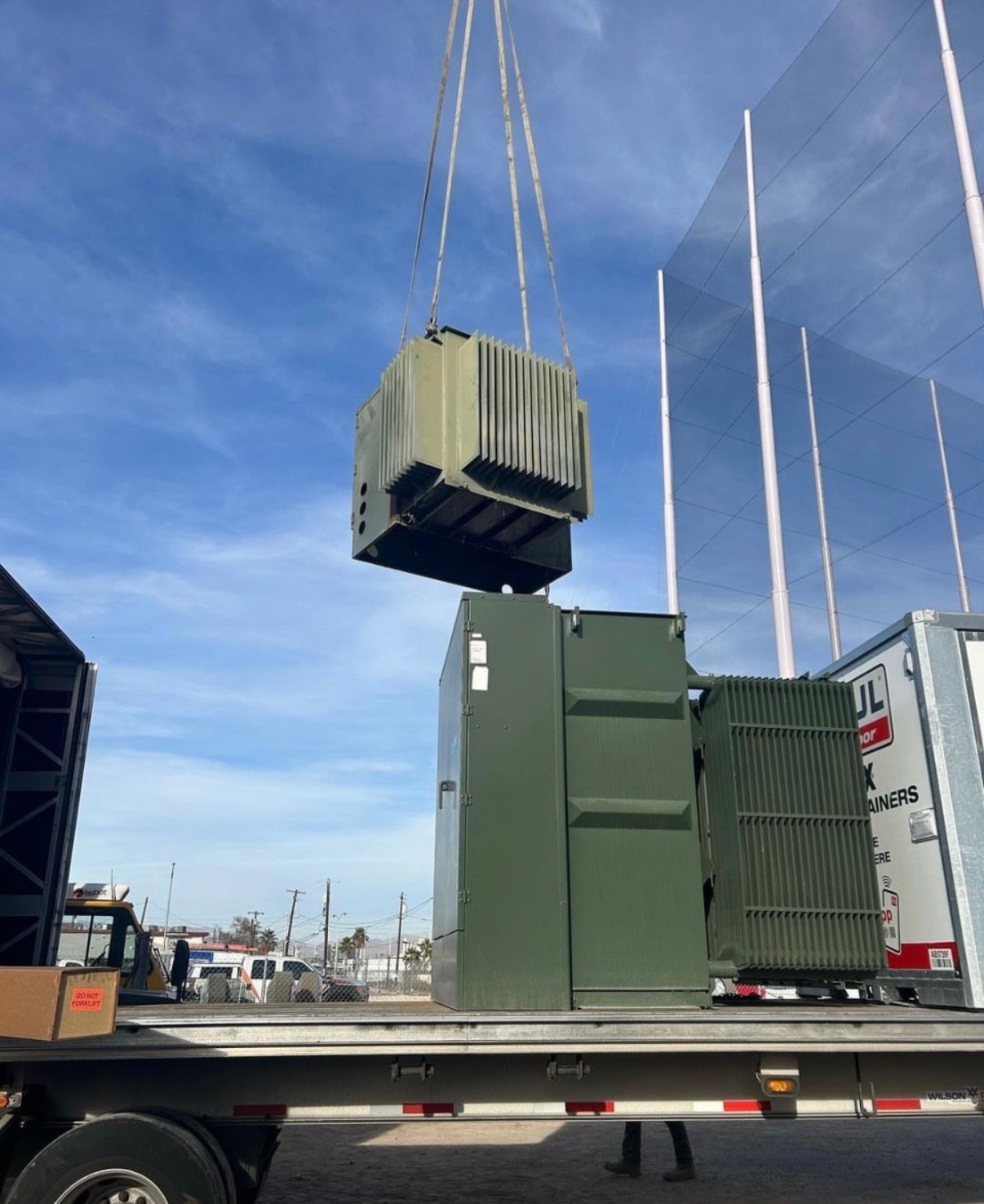
A salvage estimate can be misleading if it ignores who will handle removal and what that work costs. Clarify whether the transformer remains installed, whether site personnel expect to arrange disconnection, and which party would be responsible for any rigging or loading. Freight is covered by the buyer, but that does not by itself assign those other tasks.
Have qualified personnel with site authorization establish and verify an electrically safe condition using applicable electrical-safety procedures before the surplus transformer is disconnected or lifted. Confirm the purchase scope and responsibility for removal-related work before committing to a plan. To discuss a unit, contact the buyer at 614-715-3047 or saleselectricalbuyers@gmail.com with its ratings, condition and available records.
- Separate freight from removal and loading duties.
- Confirm scope before arranging site work.
Keep exploring
Related resources.
Find more information for selling electrical equipment in South Dakota.
Start a conversation
Ready to sell your transformer?
Tell us what you have. A nameplate photo and a few equipment details are a great place to start.