Used & surplus equipment / South Dakota
Decommissioning a substation: A Guide for South Dakota Sellers
Decommissioning a substation can involve several owners, equipment classes and work sequences.
Text Nameplate Photos ↗
A straightforward process
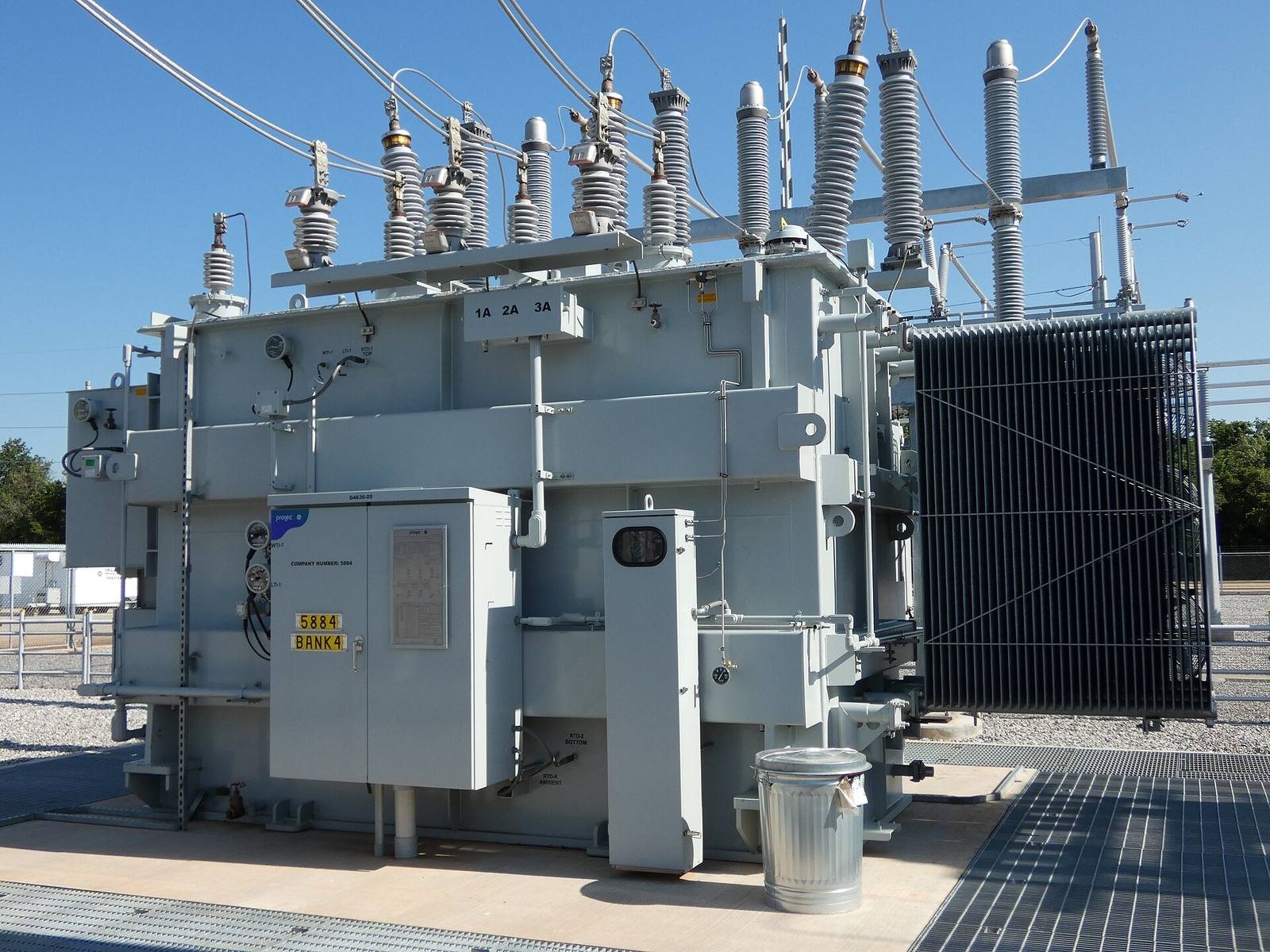
Decommissioning a substation can involve several owners, equipment classes and work sequences. For a South Dakota seller considering a transformer sale, begin by separating the equipment that may be offered from shared or retained assets. Then coordinate the sale discussion with the project’s qualified personnel and schedule. An independent buyer serves South Dakota and buys transformers across all voltage classes, but the scope and responsibilities for any specific unit must be confirmed before a sale proceeds.
Define the equipment included in the sale
A substation inventory may include power transformers, station-service units and other electrical assets, while switchgear and voltage regulators are distinct equipment rather than transformers. Record each transformer separately, including its nameplate details, voltage class, configuration, location and known condition. This helps avoid treating a mixed equipment package as one interchangeable lot.
Confirm that the seller has authority to offer each unit, especially where a utility, site owner or contractor has divided responsibilities. Identify equipment that will remain in service or be retained for another phase. A clear list gives the buyer a basis to discuss which units may fit its purchasing scope.
- Match inventory entries to equipment identification plates where available.
- Separate transformers from switchgear and voltage regulators.
- Note access constraints without assuming handling services are included.
Coordinate approved isolation and project sequence
For the surplus transformer, the safety step before it is disconnected or shifted for loading is for the authorized electrical personnel qualified for the task to establish and verify an electrically safe condition in line with applicable safety procedures. A seller arranging a quote should coordinate that work through the responsible site team; the purchase inquiry itself does not authorize electrical work or establish that a unit is safe to handle.
Sequence matters when a substation is being retired in stages. Share the expected availability window, whether other equipment remains energized nearby, and any planned access restrictions. Discuss freight coverage and the division of responsibilities directly with the buyer; covered freight does not by itself establish who performs disconnection, rigging, loading or other site work.
- Keep sale discussions aligned with the project schedule.
- Confirm responsibilities and access arrangements before committing to a transfer.
Organize records and request a quote
Gather existing nameplate information, maintenance notes and fluid or PCB records for units that have them. Those records can inform the equipment review. If fluid status is unknown, handle that uncertainty under applicable rules rather than assuming a classification. No testing is needed to ask for a quote, and the buyer purchases across all voltage classes.
A quote discussion can start with the inventory, condition notes, photographs if available and the seller’s anticipated sequence. The buyer states that payment is upfront and freight is covered; confirm the transaction scope and arrangements for the particular equipment before proceeding. To begin, call 614-715-3047 or email saleselectricalbuyers@gmail.com.
- Share existing records; do not create a test requirement just to inquire.
- Confirm which listed units and related responsibilities are within the proposed transaction.
Keep exploring
Related resources.
Find more information for selling electrical equipment in South Dakota.
Start a conversation
Ready to sell your transformer?
Tell us what you have. A nameplate photo and a few equipment details are a great place to start.