Used & surplus equipment / South Dakota
Transformer rigging and freight planning: A Guide for South Dakota Sellers
A transformer’s freight plan starts with the actual unit and the route from its present position to a pickup point—not an assumption that a truck can reach it.
Text Nameplate Photos ↗A straightforward process
A transformer’s freight plan starts with the actual unit and the route from its present position to a pickup point—not an assumption that a truck can reach it. South Dakota sellers can make a quote discussion more useful by gathering nameplate details, dimensions, estimated weight and access information. Freight is covered by the buyer, but that does not establish who will disconnect, rig, load or prepare the equipment. Confirm those responsibilities for the specific unit before work is arranged.
Build a usable equipment and access profile
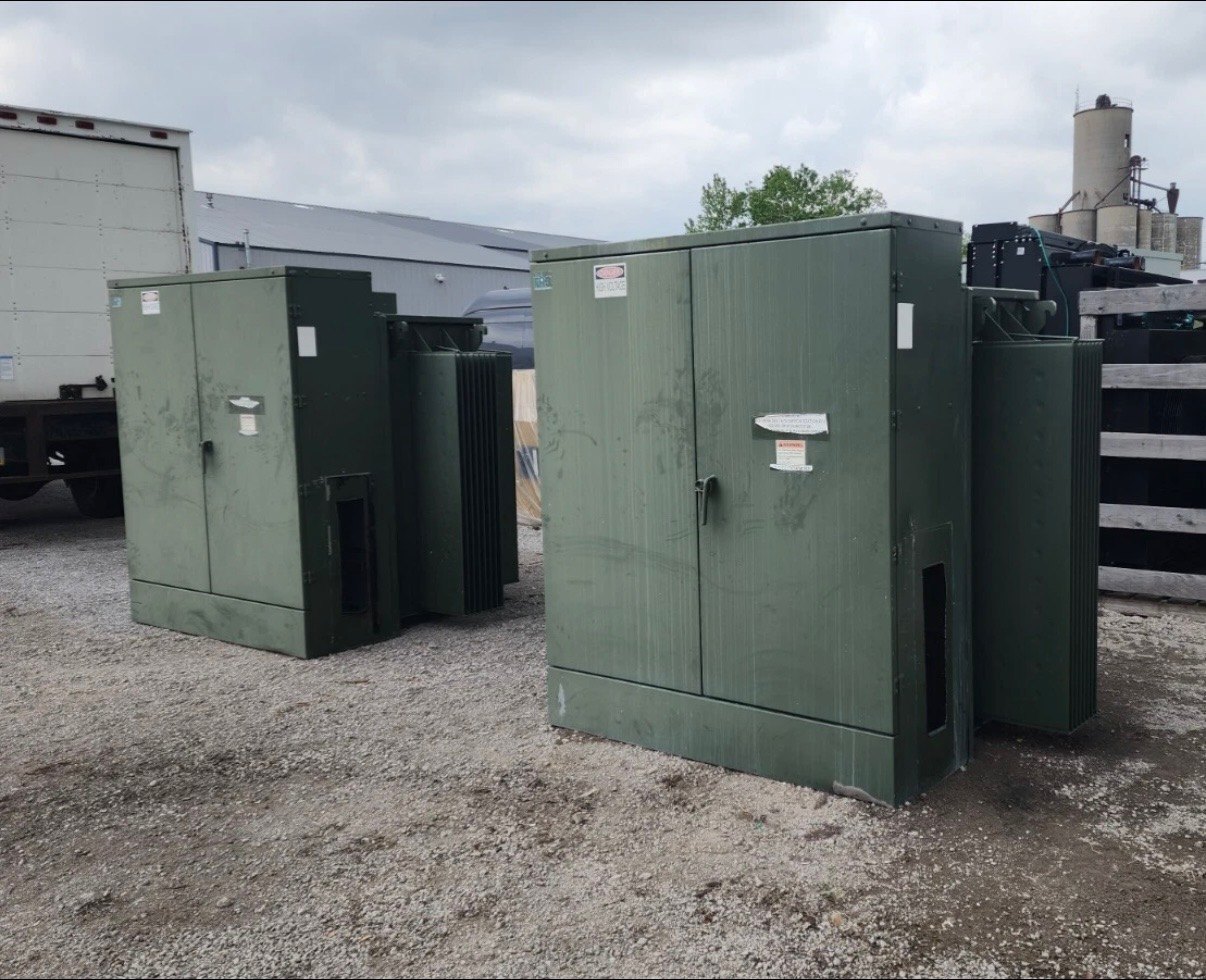
Record the transformer’s manufacturer, model, serial number, voltage class and nameplate ratings where available. Note whether it is pad-mounted, pole-mounted, dry-type or another configuration, and whether it is intact or already removed. Dimensions and weight from reliable records help distinguish a manageable shipment from a move requiring site-specific planning.
Describe the route from the unit to the likely loading area: door and gate widths, overhead clearance, turns, floor or ground conditions, stairs, and any restricted access. Photographs taken from safe locations can help explain obstacles. Do not approach energized equipment or enter restricted areas to collect details.
- Gather nameplate and inventory records.
- Use documented dimensions and weight when available.
- Flag access limits and known obstructions.
Set boundaries for handling and loading
Freight coverage is not a promise of rigging, disconnection, loading, or site preparation. Before accepting a purchase arrangement, establish who is responsible for each task and what equipment or access each party expects. If those duties are not confirmed, do not assume they are included simply because transportation is covered.
Electrical work and movement must be planned around the unit’s condition and location. Before equipment is disconnected or moved, qualified, authorized personnel must establish and verify a safe electrical condition using applicable procedures. Sellers should arrange that work through their responsible site personnel rather than attempting disconnection themselves.
- Confirm the division of work in advance.
- Do not treat freight coverage as rigging coverage.
- Coordinate electrical safety through authorized personnel.
Share freight details before finalizing the sale
Tell the buyer whether the transformer is accessible for inspection from a safe position, still installed, or already staged, and identify any known limits on pickup hours or vehicle access. Mention uncertainty plainly; an estimated weight or unclear loading path should be labeled as such, not presented as verified.
A complete freight conversation helps both sides assess whether the proposed arrangement fits the equipment and site. No particular pickup method or schedule is assured until scope is confirmed. Contact the independent buyer at 614-715-3047 or saleselectricalbuyers@gmail.com with the unit details and access description.
- Separate confirmed facts from estimates.
- Ask what handling responsibilities are included before proceeding.
Keep exploring
Related resources.
Find more information for selling electrical equipment in South Dakota.
Start a conversation
Ready to sell your transformer?
Tell us what you have. A nameplate photo and a few equipment details are a great place to start.