Used & surplus equipment / South Dakota
Selling failed transformers: A Guide for South Dakota Sellers
A transformer that failed in service may still be worth presenting for a purchase review.
Text Nameplate Photos ↗A straightforward process
A transformer that failed in service may still be worth presenting for a purchase review. The useful starting point is a factual account of what happened, what can be observed from a safe distance, and what records already exist—not a promise that the unit will be bought. Its review and any offer depend on the specific equipment and its condition.
Describe the failure without guessing
Note the date or operating period of the failure, the symptoms reported by the responsible team, and whether the unit was shut down after an event. Distinguish confirmed findings from suspicion: an alarm, outage or protective-device operation may provide context, but does not by itself establish the internal cause.
Include the transformer’s nameplate information and any existing inspection or maintenance reports that can be shared. A concise timeline helps a buyer understand the unit’s history without requiring the seller to diagnose it. Do not open compartments or touch equipment to improve a description; rely on records and observations made by authorized personnel.
- Separate known facts from working theories about the failure.
- Identify the unit and its voltage class from available records.
Report visible condition and fluid records
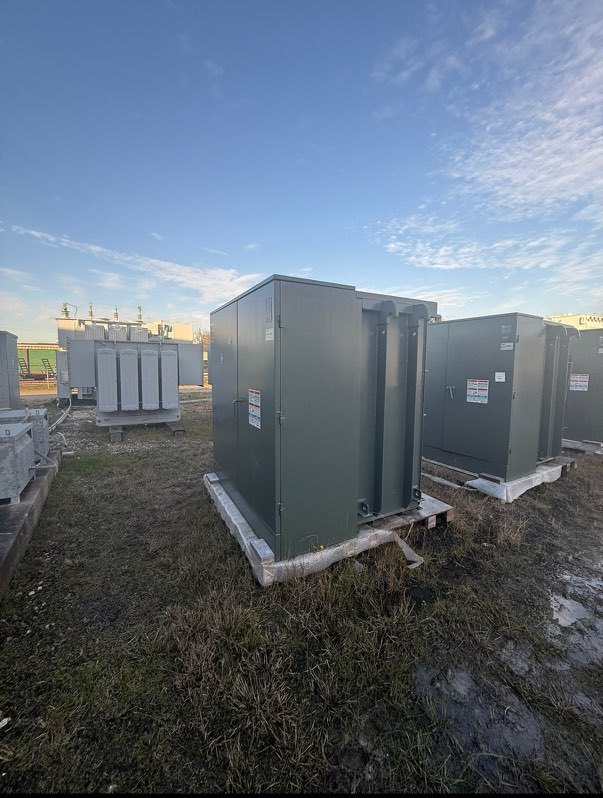
If damage is already visible from a safe location, describe its general nature and where it appears. Examples might include a damaged enclosure or signs of leakage, but avoid approaching or handling the transformer to verify details. State whether the unit is intact, visibly damaged or of uncertain condition, and share photographs only when obtained safely.
For fluid-filled units, provide existing fluid and PCB records where available. Do not infer fluid status from appearance or assume a particular PCB condition. When status is unknown, it must be handled under applicable rules. No testing is required just to ask for a quote; describe what documentation exists instead of arranging tests solely for an inquiry.
- Use existing reports and safely obtained images to convey condition.
- Flag missing or uncertain fluid records plainly.
Coordinate isolation and discuss the offer
Before a failed transformer is disconnected or moved, qualified, authorized personnel must establish and verify a safe electrical condition under applicable procedures. Keep electrical isolation within the responsible parties’ scope. A buyer’s freight coverage does not establish that disconnection, rigging, loading or other site services are included; confirm responsibilities for the specific transaction.
An offer can depend on failure history, observed condition, equipment details and available documentation. Reuse or salvage may be possibilities, not guaranteed outcomes, and no purchase is assured until scope is confirmed. The buyer states that payment is upfront and freight is covered. To discuss a unit, call 614-715-3047 or email saleselectricalbuyers@gmail.com.
- Have the responsible site team coordinate electrical readiness.
- Confirm transaction scope and site responsibilities before making arrangements.
Keep exploring
Related resources.
Find more information for selling electrical equipment in South Dakota.
Start a conversation
Ready to sell your transformer?
Tell us what you have. A nameplate photo and a few equipment details are a great place to start.