Used & surplus equipment / South Dakota
Planning staged transformer removal: A Guide for South Dakota Sellers
Selling several surplus transformers does not always mean releasing them all at once.
Text Nameplate Photos ↗A straightforward process
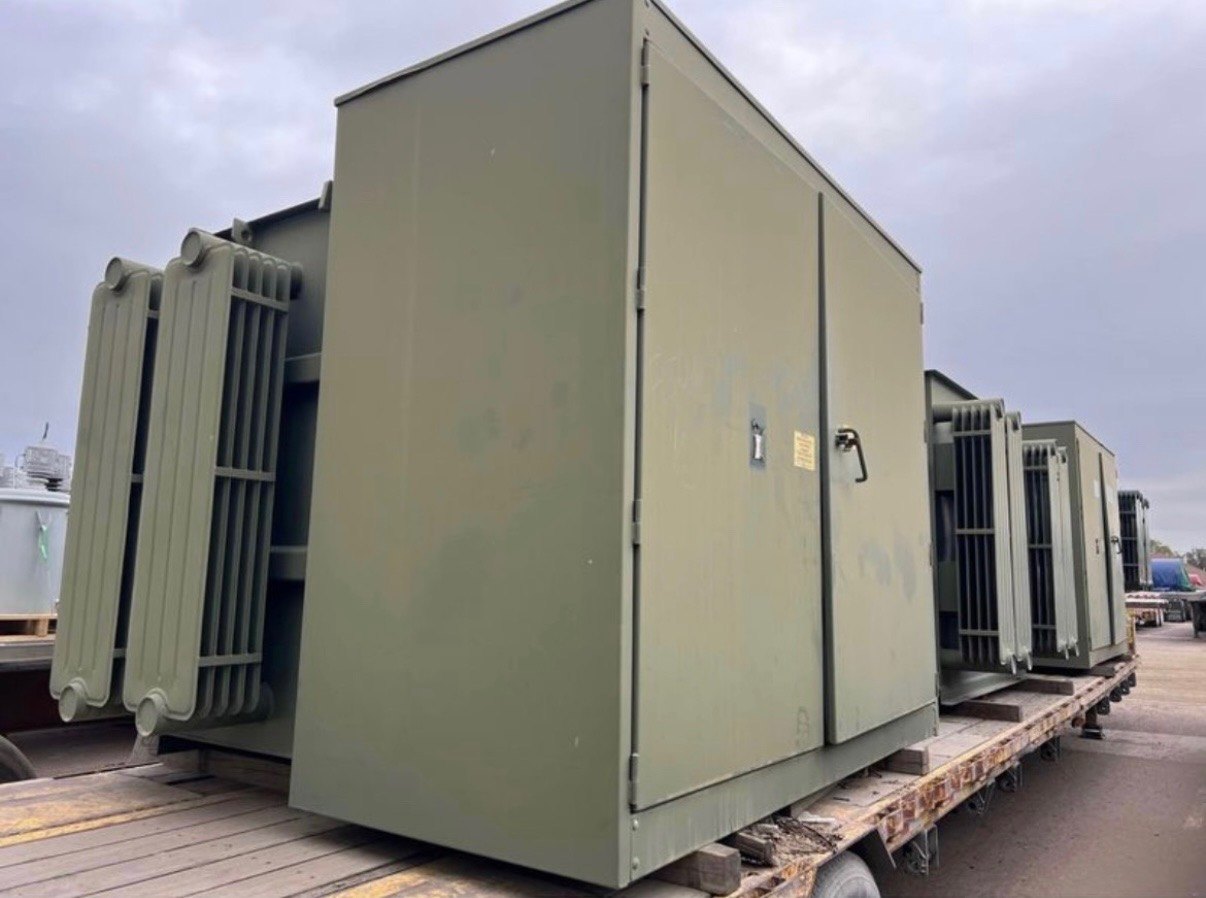
Selling several surplus transformers does not always mean releasing them all at once. A facility may need to retain certain units until replacement equipment is operating, coordinate different work areas, or set separate dates for access. A phased plan helps the buyer assess each asset and helps your site team clarify what is—and is not—included. South Dakota sellers can request a quote without arranging testing first; useful records and a clear release plan make the discussion more specific.
Build an asset list around release dates
Start with one line per transformer, even when units share a building or appear similar. Record the nameplate details available, approximate dimensions, present location, and whether the unit is ready for release or must remain until a later phase. This prevents one asset’s schedule from being mistaken for another’s.
Use dates or practical release windows rather than a single blanket date for the entire group. Note dependencies such as a replacement unit entering service or a work area becoming available. These are planning details, not a promise that a purchase or removal date is confirmed; scope and timing need direct agreement.
- Identify each unit separately by location or site tag.
- Mark each as available now, later, or pending a decision.
Separate loading points and site access
A multi-unit project can involve more than one loading point: an indoor position, an exterior pad, or a separate yard area. Describe how each transformer is reached and where a vehicle could be positioned, using site-approved information. Differences in route, clearance, and staging space can affect the practical scope even when ratings are similar.
Freight is covered by the buyer, but that does not establish who provides disconnection, rigging, loading, or other site work. Confirm responsibilities for each location before committing to a phase. Identify access limits, escort arrangements, and any operating-area restrictions your site requires the parties to address.
- Map each unit to its own pickup point.
- Flag access constraints and work-area boundaries for discussion.
Make isolation and handoffs explicit
For every phase, identify who controls the equipment, who authorizes work in the area, and who is responsible for establishing and verifying a safe electrical condition under applicable procedures. Qualified authorized personnel must handle that electrical-safety process before equipment is disconnected or moved; sellers should not treat a commercial quote as an operating authorization.
Gather available records that distinguish units, including nameplate images, service history, and fluid or PCB documentation when relevant. Existing records can help frame the discussion; unknown fluid status must be handled under applicable rules. To discuss a staged sale, call 614-715-3047 or email saleselectricalbuyers@gmail.com with the inventory and proposed release windows.
- Keep operating equipment and sale assets clearly identified.
- Confirm phase boundaries, responsibilities, and records before scheduling.
Keep exploring
Related resources.
Find more information for selling electrical equipment in South Dakota.
Start a conversation
Ready to sell your transformer?
Tell us what you have. A nameplate photo and a few equipment details are a great place to start.